
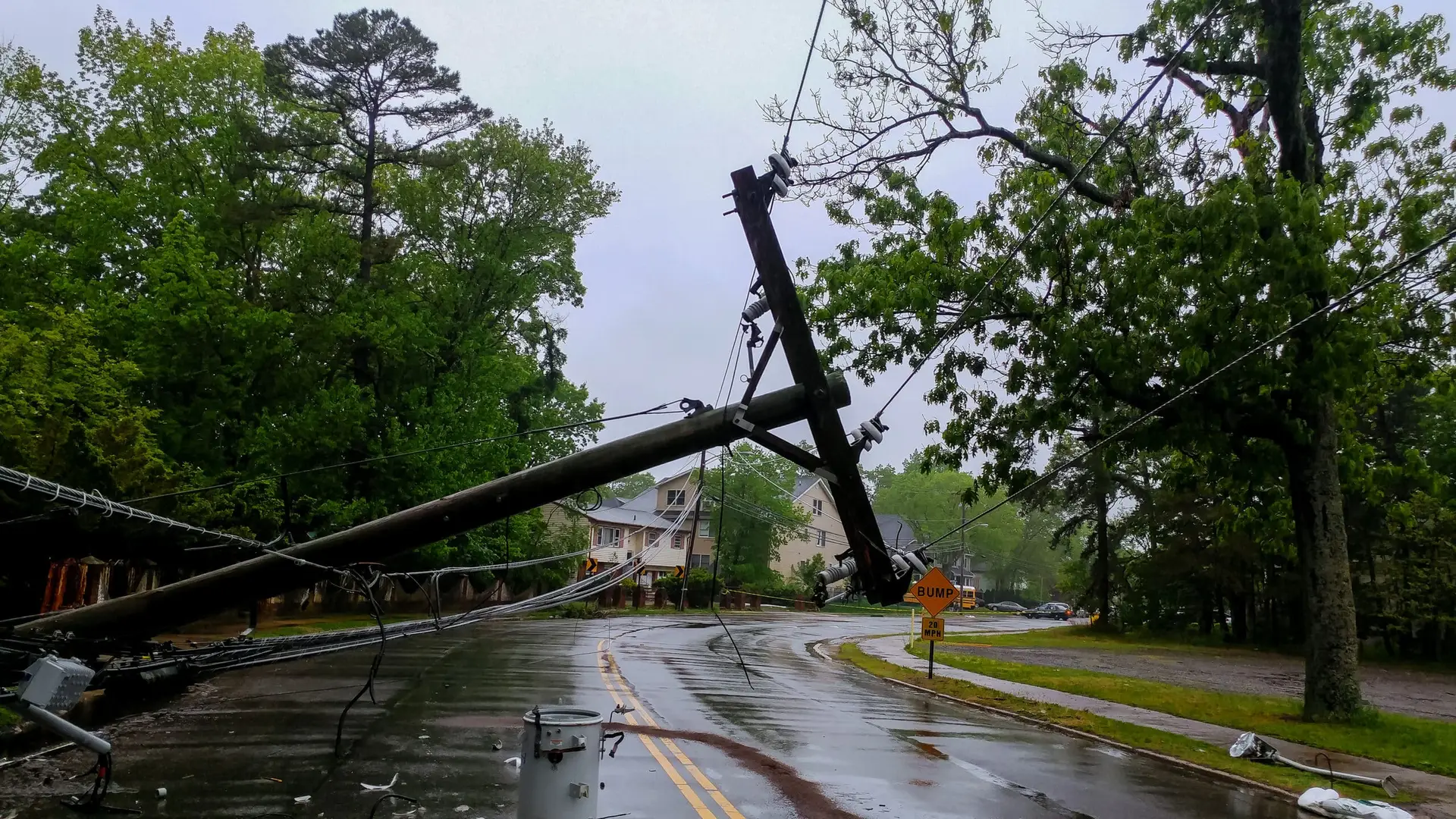
When a catastrophe strikes, your TPA’s response capability becomes immediately visible. You’ll see it not in their marketing materials, but in what their adjusters actually carry into the field. That equipment list tells a story most carriers never think to ask about until claims start backing up and policyholders start calling. What you find when you look closely might change how you assess your next TPA contract.
What a CAT Adjuster’s Equipment List Actually Reveals About Your TPA
When a CAT adjuster arrives on-site without a drone, a moisture meter, or a working satellite phone, that’s not a supply chain problem. It’s an organizational one.
What’s in an adjuster’s kit directly reflects how seriously their TPA takes catastrophe planning.
Equipment reliability isn’t incidental. It’s diagnostic. A well-equipped adjuster signals that their organization has invested in technology integration, maintained deployment protocols, and prioritized adjuster efficiency long before landfall.
A poorly equipped one tells you the opposite.
Carriers often identify these gaps mid-storm, when costs are highest and options are fewest.
Operational agility under CAT conditions depends entirely on preparation made months earlier.
If you’re evaluating a TPA, their equipment standards aren’t a footnote. They’re the first real test of readiness.
How CAT Adjuster Equipment Gaps Drive Up Claim Costs After a Storm
Equipment gaps don’t just slow claims down. They make them more expensive. When adjusters arrive without proper tools, every step of the process suffers.
Equipment deficiencies create claim delays that compound quickly. A missed moisture reading today becomes a mold dispute months later.
Consider the cost implications: without thermal imaging, hidden water damage goes undetected. Without mobile documentation systems, adjusters return to manual entry, creating operational inefficiencies that bottleneck your entire claims pipeline.
Each delay extends a policyholder’s displacement and your exposure.
You’re not just paying for slower processing. You’re absorbing the downstream costs of supplemental claims, litigation risk, and regulatory complaints.
Underprepared adjusters don’t save money. They generate costs in the wrong direction. Your TPA’s equipment standards directly determine your post-storm financial exposure.
The Full CAT Adjuster Toolkit Carriers Should Expect
A fully equipped CAT adjuster isn’t a luxury. It’s the baseline your carrier should expect before a storm makes landfall.
When evaluating TPA readiness, look beyond headcount and examine the actual adjuster technology your partner deploys.
Assessment tools should include drones, thermal imaging cameras, moisture meters, and digital measuring equipment. These aren’t optional upgrades. They determine how quickly and accurately claims get documented.
Documentation systems must incorporate tablets, mobile apps, and field-ready photo equipment backed by generator power.
Your TPA’s communication strategies should cover satellite phones, mobile hotspots, and two-way radios for real-time coordination when cell infrastructure fails.
Safety equipment, including proper PPE and reliable vehicles, protects adjusters and limits your liability exposure.
Expect all of this as standard. If your TPA can’t confirm it, that’s your answer.
What Real CAT Response Infrastructure Looks Like Beyond the Gear
Gear alone doesn’t deploy itself. The real differentiator in CAT response is the operational infrastructure your TPA builds long before a storm forms.
Infrastructure essentials include pre-positioned resources in high-risk regions, established adjuster surge protocols, and tested deployment timelines that don’t require improvisation mid-crisis.
Resource allocation decisions made in advance determine whether your TPA can field 200 adjusters in 72 hours or scramble to find them.
Emergency logistics capabilities, including vehicle fleets, lodging coordination, and fuel access, separate prepared partners from reactive ones.
Vendor collaboration matters equally.
TPAs with established relationships across restoration contractors, equipment suppliers, and regional networks can mobilize support systems simultaneously with adjuster deployment.
Without this infrastructure already in place, even the best-equipped adjuster team hits operational walls when carriers need speed most.
CAT Adjuster Readiness Questions to Ask Your TPA Before Hurricane Season
Waiting until a hurricane warning posts to assess your TPA’s CAT capabilities isn’t a strategy. It’s a gamble. Before hurricane season arrives, ask your TPA direct questions that reveal actual preparedness depth.
Start with their equipment inventory: What technology do adjusters carry, and how is it maintained year-round?
Probe their deployment strategies. Can they mobilize 200 adjusters within 72 hours, and what’s their surge capacity protocol?
Ask about training programs: How recently were adjusters certified, and do they practice CAT-specific scenarios regularly?
Finally, examine their vendor relationships. Established partnerships with equipment suppliers, lodging coordinators, and logistics providers separate TPAs with real infrastructure from those improvising during a crisis.
Their answers, or hesitations, tell you everything about whether they’re actually ready when landfall happens.
How Year-Round Readiness Separates Real CAT Partners From Reactive Vendors
The difference between a real CAT partner and a reactive vendor shows up long before a storm forms in the Gulf. Year-round training, proactive logistics, and established vendor relationships aren’t built during hurricane season. They’re maintained continuously so deployment happens without hesitation.
Ask yourself what your TPA is doing right now to prepare. Strategic partners are running storm simulations, renewing adjuster certifications, and stress-testing communication systems. Reactive vendors are waiting for the forecast.
Real CAT readiness looks like:
- Pre-positioned equipment inventories audited quarterly
- Active vendor relationships with fuel, lodging, and supply networks
- Documented deployment protocols rehearsed outside of active events
BSA maintains this infrastructure year-round across Florida. When you’re ready to assess your catastrophe response planning, our team is prepared to have that conversation.
Verify CAT Readiness Before the Storm Hits
When a catastrophe hits, you don’t get a second chance to prepare. Your TPA’s CAT adjuster equipment lists tell you everything you need to know about whether they’re ready to protect your policyholders or scrambling to catch up. Don’t wait until a storm exposes the gaps. Ask the hard questions now, assess the full toolkit, and choose a partner whose readiness matches the weight of the responsibility you’re trusting them with.
BSA Claims Solutions maintains year-round catastrophe preparedness infrastructure across Florida, including advanced assessment technology, mobile documentation systems, and pre-positioned resources that enable rapid deployment. With 16+ years of CAT response experience, we’ve built the equipment inventory, logistics capabilities, and adjuster surge capacity that carriers need when major events impact Florida.
Don’t discover your TPA’s preparedness gaps during a catastrophe. Contact BSA Claims Solutions today to review our CAT response infrastructure, equipment capabilities, and deployment protocols.
Visit bsaclaims.com or call us to discuss how our proven readiness can protect your policyholders and your carrier’s reputation when the next storm makes landfall.