BSA Claims Solutions: Setting the standard in claims administration and adjusting services
Who We Are
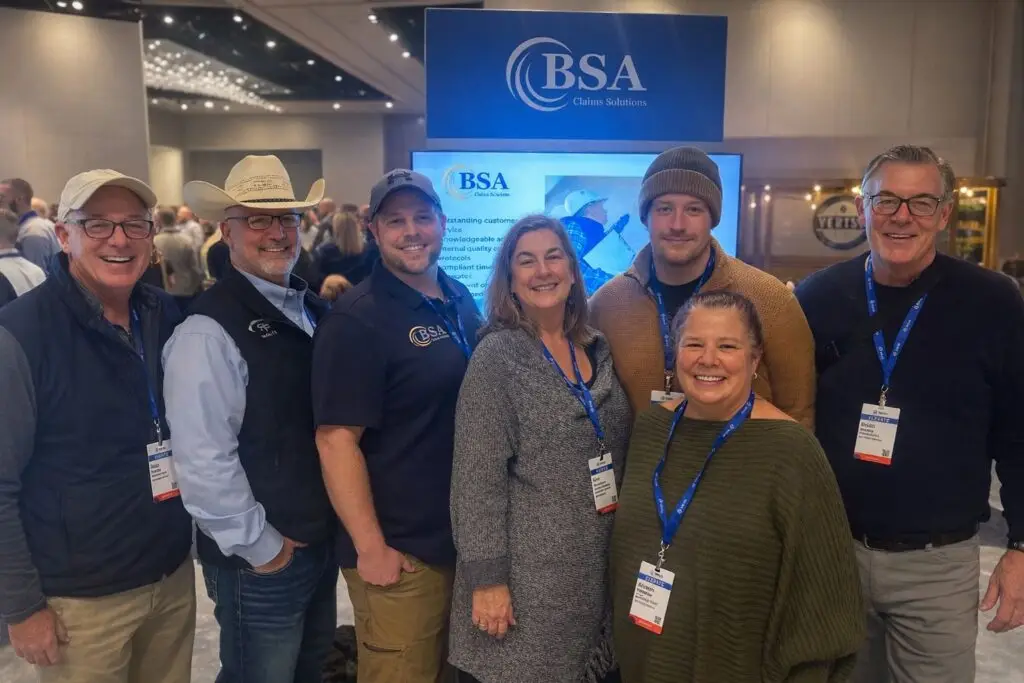
BSA Claims Solutions is Florida’s largest privately held, all-lines claims administration and adjusting firm, trusted by insurance carriers to deliver fast, accurate, and fully compliant claims handling. With over 20 years of experience across Florida, Louisiana, Texas, and the Midwest, we have built a reputation for operational excellence, reliability, and superior customer service. Our team of highly trained professionals combines deep industry knowledge with advanced technology to manage claims efficiently while maintaining the highest standards of accuracy and compliance.
What We Do:
We provide comprehensive claims administration and adjusting services designed to support carriers at every stage of the claims lifecycle: · Managed Claim Model – End-to-end claim handling with full internal quality assurance and real-time reporting. · Daily & CAT Adjusting – Rapid deployment of experienced residential and commercial adjusters to meet fluctuating claim volumes. · Fast Track Adjusting – Technology-driven claims resolution using virtual inspections and streamlined communication for faster turnaround. · Litigation Services – Proven expertise in handling complex disputes and supporting efficient claim resolution processes.
Why Carriers Choose BSA
· Proven Experience: Tens of thousands of claims handled with consistent accuracy and efficiency. · Scalable Operations Flexible solutions that adapt to daily claims volume and catastrophe events. · Technology-Driven Advanced platforms, real-time reporting, and data analytics to improve speed, transparency, and decision-making. · 100% Internal QA Review Every file is reviewed to ensure compliance and quality before submission. · SOC 2 Compliant – Strong commitment to data security and information integrity.
Elite catastrophe claims adjusters combine technical expertise enhanced by AI-powered tools with irreplaceable human skills. Our professionals possess specialized certifications like HAAG and NFIP and work with advanced estimating technology that ensures accuracy and consistency. This allows them to complete assessments more efficiently while dedicating more time to exceptional empathy and communication abilities during crisis situations—the human touch that technology can never replicate.
Specialized Certifications
HAAG, NFIP, and advanced technical training
AI-Powered Tools
Advanced technology for accuracy and efficiency
Human Empathy
Exceptional communication during crisis situations
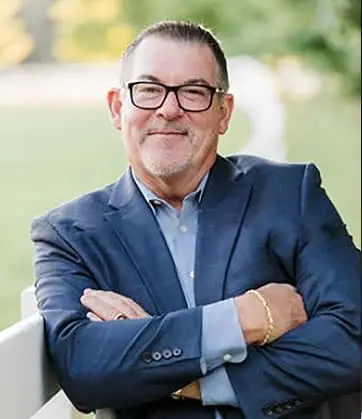
Andrew Bornemann is an experienced claims leader with extensive knowledge in property insurance, field adjusting operations, and complex claim administration. As a senior member of BSA Claims Solutions, Andrew assumes responsibility for supervising claims management, streamlining operational processes, coordinating teams, and upholding quality assurance standards across various jurisdictions. He is recognized for his technical expertise, professionalism, and adeptness at guiding adjusters through intricate claim situations.
Andrew is noted for his prompt communication and clear guidance. He provides ongoing support to adjusters, collaborates effectively with carrier leadership, and contributes to organizational efforts including conference planning, marketing, inspection workflow optimization, and performance review of files. His unwavering commitment to excellence in claims administration has established him as a reliable resource for both internal colleagues and external partners.
Brooks Bradley
Director of Field Operations
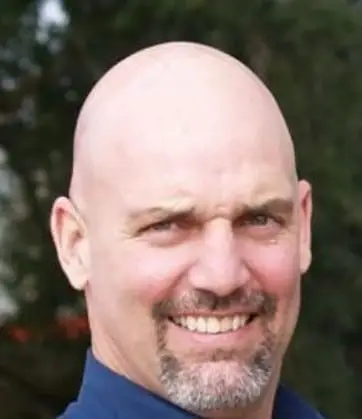
Brooks Bradley, Director of Operations, leads the firm’s daily operational strategy, workforce coordination, and multi‑state service delivery. With extensive experience in insurance and independent adjusting, he ensures systems, field performance, and client service uphold the firm’s standards of accuracy and integrity.
A Political Science graduate of Arizona State University and NFIP Certified, Brooks brings strong regulatory insight and specialized flood‑program expertise. He oversees operational planning, resource allocation, workflow optimization, and adjuster performance, building scalable systems for both routine operations and large‑scale catastrophe events.
Known for his detail‑oriented, data‑driven approach, Brooks strengthens processes, improves response times, and supports both leadership and field teams to deliver reliable, ethical adjusting services nationwide.