
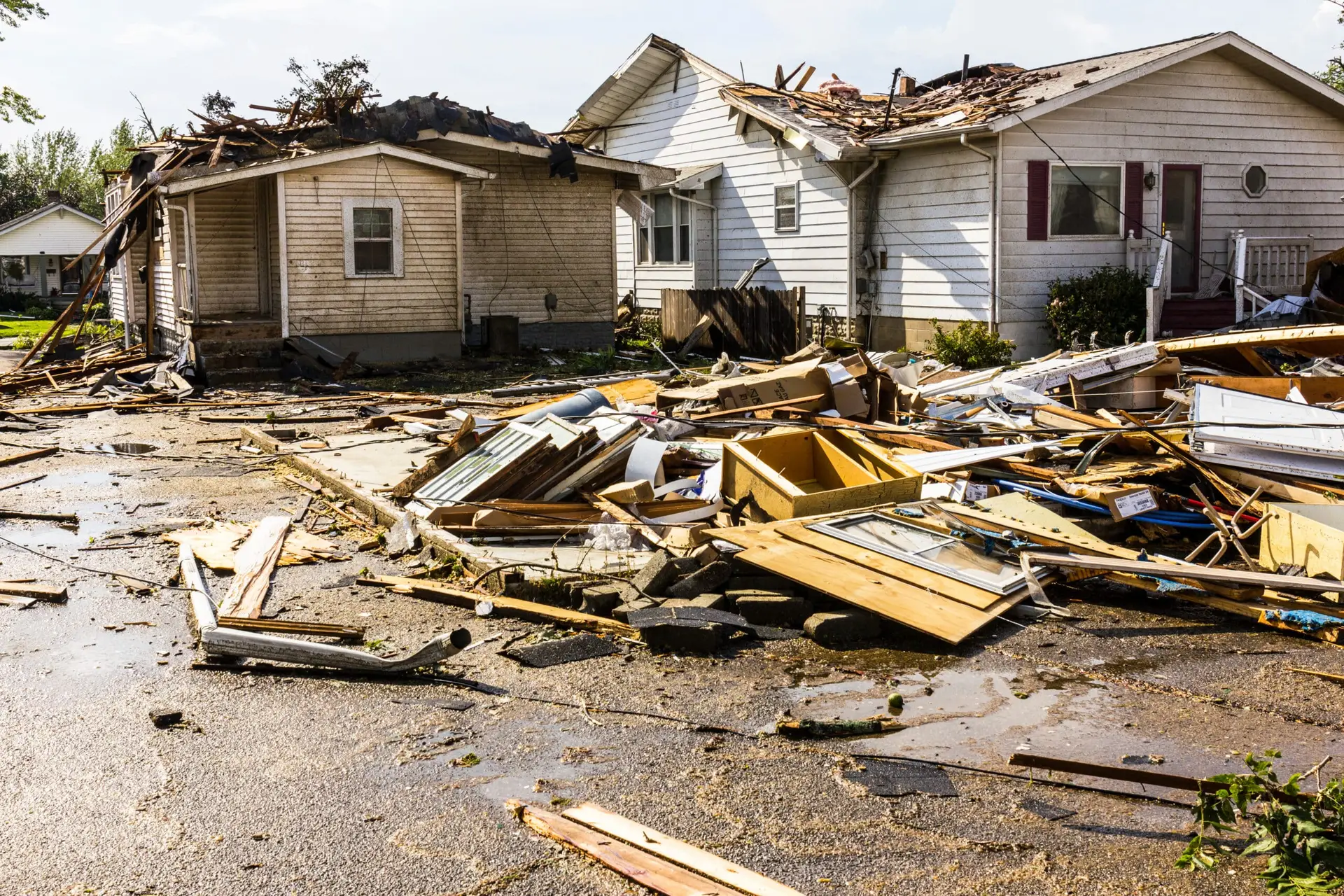
Your catastrophe response capability for 2026 isn’t built during the 72 hours before a storm hits—it’s developed through year-round preparation. You’ll need scalable infrastructure that handles daily claims while maintaining surge capacity, strategic partnerships with TPAs who deploy actual adjusters rather than paper promises, and quarterly testing protocols that reveal weaknesses before they compromise performance. Without this foundation, you’ll face escalating costs, reinsurance penalties, and customer satisfaction issues that impact your operation for years. The sections below outline how to transform theoretical capacity into operational reality.
The Cost of Reactive-Only Response
When catastrophe strikes without preparation, carriers immediately face cycle time penalties that compound with each passing day. Your operational costs escalate as you scramble to assemble adjuster networks, deploy untested technology, and coordinate unfamiliar processes under pressure.
Claims mishandling risks multiply when rushed assessments lead to inaccurate reserves and supplemental claims. The financial implications extend beyond immediate response—poor catastrophe performance impacts reinsurance costs, regulatory scrutiny, and reserve adequacy for years afterward.
Workforce challenges emerge as you compete for limited adjusters at premium rates, often securing inexperienced personnel who require supervision you can’t provide. Meanwhile, customer satisfaction impacts reverberate through social media and complaint ratios as policyholders wait weeks for initial contact. These reactive-only approaches transform manageable events into financial disasters.
Building Scalable Infrastructure and Networks
Scalable catastrophe infrastructure pays off during routine operations long before disasters strike. Your fast-track centers and technology platforms should handle daily claims while maintaining surge capacity. When you test deployment protocols quarterly rather than annually, you’ll identify system weaknesses before they compromise catastrophe response.
Effective adjuster training programs require continuous involvement, not pre-event cramming. You’ll retain qualified adjusters by providing consistent work between deployments while building multi-jurisdiction licensing coverage. Technology deployment testing during normal operations confirms that your systems actually function under pressure.
Process improvement initiatives and seasonal workflow planning transform theoretical capacity into operational reality. Your logistical pre-positioning strategy—including staging areas, equipment inventory, and geographic coverage—determines first-response timing. Quality control systems proven during routine claims will scale effectively when volume spikes, protecting you from supplemental claims that erode catastrophe response value.
Strategic Partnership and Deployment Models
Catastrophe partnerships fail when carriers uncover their TPA’s “surge capacity” exists only on paper rather than in operational reality. You need capacity guarantees backed by verifiable adjuster rosters, multi-state licensing, and demonstrated deployment history. On-demand models sound flexible but often mean you’re competing with other carriers for limited resources when events strike.
Effective partnerships feature geographic positioning strategies that place adjusters near high-risk areas before storm season begins. Your TPA should maintain weather monitoring protocols that trigger pre-deployment, not reactive scrambling. Deployment speed matters, but litigation-ready documentation from first contact determines long-term claim outcomes.
Evaluate partners on their year-round operations—TPAs handling daily claims maintain active networks that deploy effectively. Mock catastrophe exercises reveal whether promised capacity translates to actual performance when your policyholders need immediate response.
Quality Control and Compliance
Quality failures during catastrophe response don’t emerge from nowhere—they’re magnified versions of shortcuts taken during daily operations. Your documentation standards must withstand regulatory scrutiny whether you’re handling ten claims or ten thousand.
Establish rapid review capabilities that function under volume pressure, catching errors before they become costly supplements. Real time quality monitoring identifies problems during deployment rather than months later during audits. Your post event analysis shouldn’t just measure what happened—it should refine processes for next time.
Build a regulatory compliance framework that addresses multi-state requirements, litigation readiness, and department of insurance reporting protocols. The carriers who maintain audit-ready operations year-round don’t panic when catastrophes strike—their quality systems simply scale to meet demand while maintaining the standards that protect both parties.
Performance Metrics and Preparation Timeline
How do you know if your catastrophe preparation is actually working before the storm hits? Your daily operations metrics reveal catastrophe readiness more accurately than any hurricane season checklist. Claims settlement velocity during routine periods predicts your surge capacity—if you’re struggling with normal volume, you’ll collapse under catastrophe pressure.
Establish proactive risk modelling that identifies exposure concentrations and resource gaps before events occur. Track catastrophe cost tracking across multiple dimensions: cycle time, supplemental rates, legal expense ratios, and reinsurance implications. Your vendor management integration should function seamlessly during daily operations, proving it’ll scale when needed.
Resource allocation strategies require quarterly testing through mock deployments. Measure first-contact timing, assessment completion rates, and quality scores under simulated surge conditions. These exercises expose weaknesses while you can still fix them—not during actual disasters.
The Strategic Partnership Advantage
Your performance metrics and preparation protocols ultimately lead to a fundamental question: should you build catastrophe response capacity internally or partner with specialized providers?
Building internal capacity demands substantial infrastructure investment, year-round staffing costs, and technology platforms that remain underutilized between events. Strategic TPA partnerships deliver proven scalability through established networks maintained continuously across diverse carrier relationships.
When evaluating partners, examine their track record for efficient operations during both routine and surge periods. Look for transparent communication protocols tested under crisis conditions. The best partners provide tailored solutions that integrate seamlessly with your systems rather than forcing you into rigid frameworks.
Prioritize providers demonstrating continuous improvement through post-event analysis and quality reinforcement initiatives. Their daily operational excellence predicts catastrophe performance more reliably than marketing promises.
Ready to Build Your 2026 Catastrophe Resilience Plan?
Preparation separates carriers who weather catastrophes efficiently from those who scramble when disasters strike. Your 2026 resilience plan requires establishing partner selection criteria that prioritize proven performance over promises. You’ll need operational efficiency tracking systems measuring deployment speed, quality maintenance, and cost control across normal and surge periods. Continuous risk monitoring protocols should trigger pre-positioning decisions based on weather patterns and seasonal forecasts rather than reactive deployments after events occur.
Effective stakeholder communication strategies guarantee adjusters, vendors, and policyholders receive consistent information during crisis periods. Your plan must address long term budget optimization by balancing internal capacity investments against strategic TPA partnerships. Consider infrastructure requirements, technology integration timelines, and network development needs now—waiting until active season begins ensures suboptimal outcomes. Start building your operational resilience today through partnerships that maintain readiness year-round.
Strategic Partnership: Your Path to 2026 Catastrophe Readiness
You can’t predict which catastrophe will test your operations in 2026, but you can control whether you’re prepared for it. The carriers who’ll dominate catastrophe response aren’t waiting for storm forecasts—they’re building scalable networks, testing deployment models, and refining quality controls right now. The question isn’t whether to prepare for 2026’s catastrophes—it’s whether you’ll build resilience before or after they arrive.
Strategic TPA partnerships offer carriers access to proven infrastructure without the capital requirements of building internal surge capacity. The key lies in selecting partners whose daily operations demonstrate the quality, speed, and reliability you’ll need when catastrophes strike. Year-round operational excellence predicts catastrophe performance far more accurately than promises made during contract negotiations.
Ready to Build Catastrophe Resilience That Functions Year-Round?
BSA Claims Service maintains operational readiness through continuous operation across daily claims and catastrophe response. Our infrastructure serves both routine and surge operations—deployment protocols, quality systems, and adjuster networks proven through daily use rather than activated only during crisis. We maintain adjuster capacity through diversified carrier partnerships, ensuring networks stay engaged and trained between events. Our Fast Track center operates year-round, validating that technology systems and processes function reliably when volume spikes. Mock catastrophe exercises during off-season months test deployment procedures before they matter.
Whether you need comprehensive catastrophe response capabilities, strategic geographic coverage, or consultation on your 2026 preparation plan, our team brings proven experience in building operational resilience. We understand that catastrophe preparation isn’t seasonal readiness—it’s sustainable operational excellence that serves carriers effectively every day while scaling seamlessly when disasters strike.
Contact BSA Claims Service today to discuss your 2026 catastrophe preparation strategy. Don’t wait for forecasts to confirm an active season—build your resilience now through partnerships with professionals who maintain readiness year-round.