
Business
How SOC 2 and SSAE 18 Compliance Should Factor Into TPA Vendor Selection
When you’re selecting a third-party administrator, compliance certifications aren’t optional extras. They’re your first line of defense. SOC 2 and SSAE 18

When you’re selecting a third-party administrator, compliance certifications aren’t optional extras. They’re your first line of defense. SOC 2 and SSAE 18

When a catastrophe strikes, property claims flood in fast, but business interruption claims are where the real complexity begins. Unlike property damage,

Florida’s 2023 legislative reforms didn’t eliminate assignment of benefits. They restructured how it functions and, more importantly, how disputes around it get
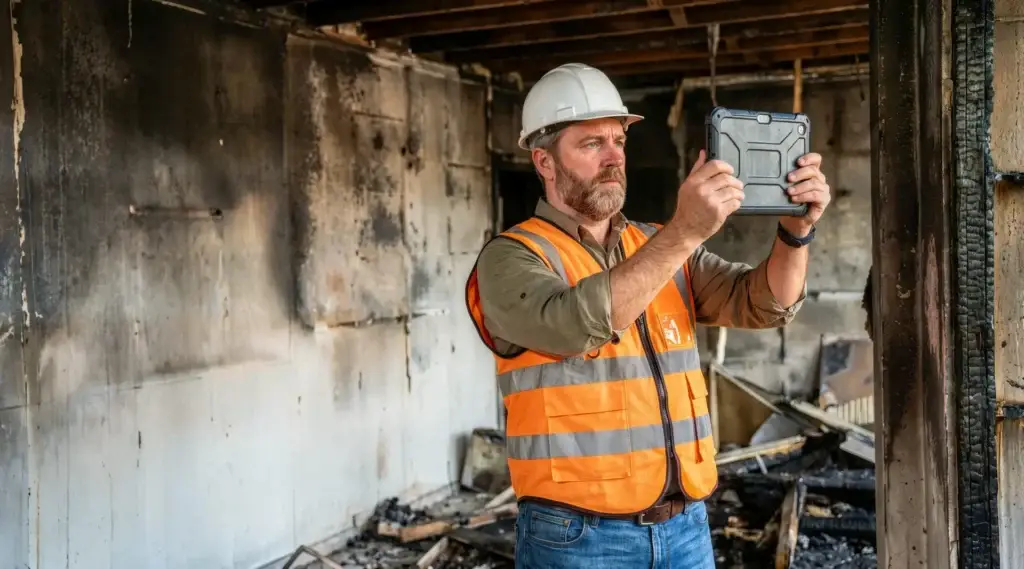
When a CAT event hits, there’s no ramp-up. Claims surge. Cycle time starts immediately. Carriers expect execution—not onboarding. Top-performing firms aren’t reacting

Your claims data is either working for you or against you at the reinsurance negotiating table. Most carriers don’t realize how much
Florida’s litigation landscape has shifted, but don’t mistake fewer lawsuits for fewer headaches. You’re still managing AOB fallout, reinsurance pressure, and roof-claim

If you’re a carrier still relying on inconsistent estimate formats and delayed performance data, you’re already falling behind. The industry has shifted,